Planet Coaster 2 Management Guide: Build for Profit
Use this Planet Coaster 2 management guide to organize staff, fix power problems, improve guest happiness, and grow a profitable theme park. Build smart.
Jump to
How to Keep Your Park Profitable
A packed park can still lose money when rides sit closed and employees spend their shifts walking across the map. Keeping attractions available and guest needs covered protects both your income and your reputation. This Planet Coaster 2 management guide walks you through the finances, utilities, staff schedules, and guest feedback that keep a growing park running.
Start with the attractions you already own before committing to another expansion. Open Park Management and work through these checks:
- Check finances. Separate income from costs and identify which expenses are driving losses.
- Inspect closed attractions. Check their operating requirements, staffing, and utility supply.
- Read negative guest thoughts. Look for repeated complaints about thirst, queues, scenery, or available activities.
- Review staff schedules. Check assignments, break coverage, and access to staff buildings.
- Inspect park rating categories. Spend toward the weakest category rather than adding more of something you already have.
Use heat maps to locate a problem, then select the affected ride, facility, employee, or guest for the details. A parkwide average tells you something needs attention; the individual panel helps you decide what to change.
Official page: Planet Coaster 2 (planetcoaster.com)
Read Your Finances Before Changing Prices
The finance screen separates revenue and costs into categories, with time filters for comparing performance. Check the selected period before interpreting a number: today's activity and lifetime spending answer different questions.
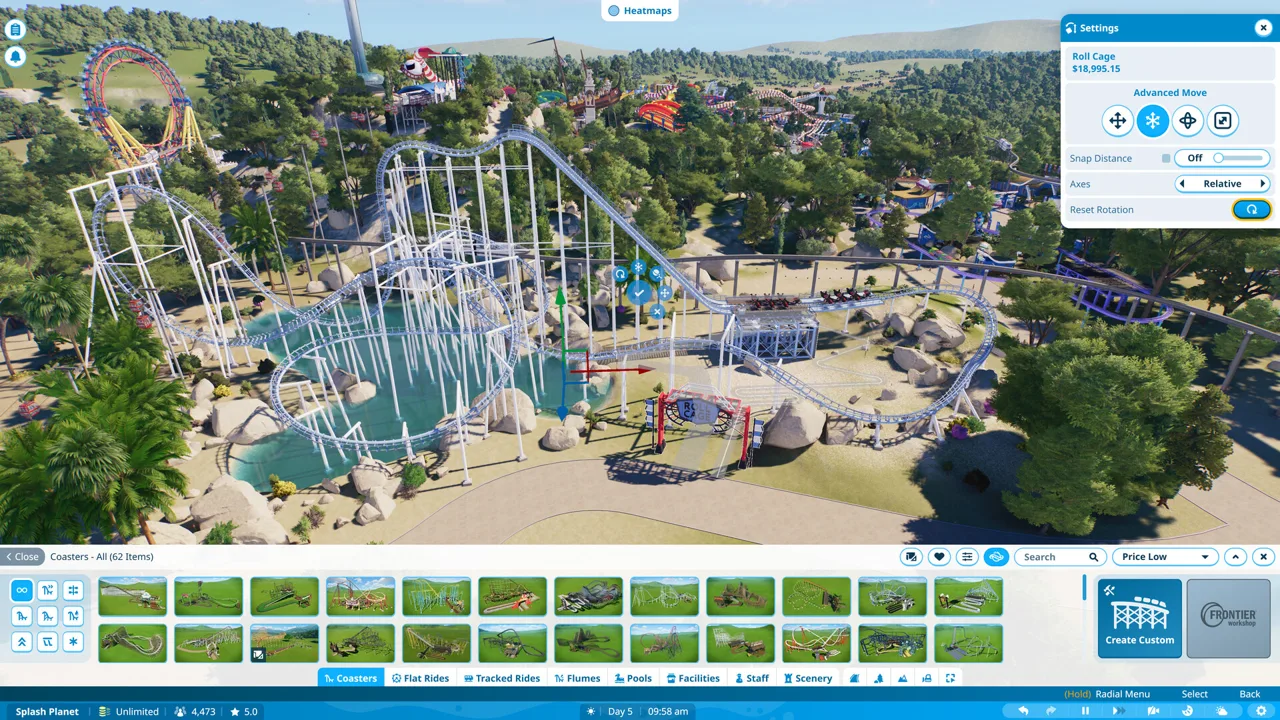 Image: Steam / Frontier Developments
Expand the breakdowns instead of judging the park by its cash balance alone. Construction spending, payroll, attraction income, and borrowing all affect the financial picture differently.
For an underperforming attraction or shop, check:
- Whether it is open and staffed.
- Whether guests can reach it.
- Whether guest feedback identifies a price problem.
- Whether the ride's appeal matches guest preferences.
- Whether a competing need is drawing guests elsewhere.
Adjust prices in response to those findings. An empty queue needs investigation before a price increase.
Park Options includes entry tickets, pool passes, and Priority Passes. Review those alongside attraction ticket income so you understand where guests are paying. Priority Passes offer another way to increase park revenue, but inspect ordinary queues and attraction availability before adding them.
Read Every Loan Term
Loans can include interest and a sales cut. Check both terms before borrowing: the amount received is only part of the decision.
Tie a loan to a specific project and account for everything that project needs. A new coaster budget should include its utility requirements and staffing, rather than stopping at the construction price.
Avoid using borrowing to cover an unexplained operating loss. Find the expense or service problem first so the loan has a clear purpose.
Fix Power Coverage and Capacity Separately
A ride can sit inside a distributor's coverage area and still lack enough electricity to open. Coverage and generating capacity are separate checks.
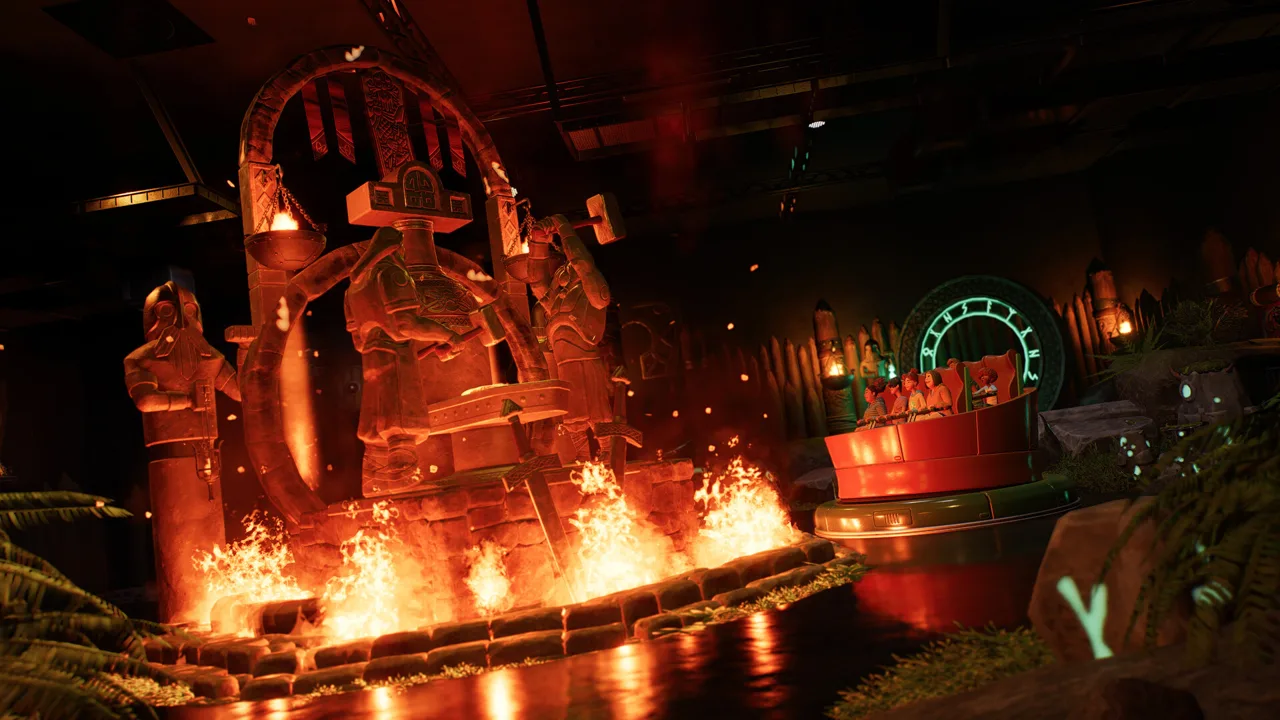 Image: Steam / Frontier Developments
Generators produce electricity. Distributors extend its coverage through a connected network. Connecting distributors to one another does not create power; the network needs a generator.
When an attraction displays a power warning:
- Open the power heat map.
- Check whether the attraction is within distributor coverage.
- Follow the network connections back to a generator.
- Compare available generation with the attraction's power requirement.
- Add distribution coverage or generating capacity to address the actual shortage.
For example, a generator showing 120 units of capacity and 114 units in use has 6 units available. A ride requiring 21 units leaves a 15-unit shortfall. Another distributor cannot solve that capacity problem.
Recheck demand as you open attractions. A network supplying only part of a new area does not demonstrate that it can support every ride there.
Pools also need water infrastructure, including pumping and filtration. Find power and water utilities under Facilities, then inspect their requirements before opening a water park expansion.
Organize Staff Around Short Walks and Break Coverage
Staff zones let you assign employees to specific parts of the park. Use them to keep work, break facilities, and employee assignments close together.
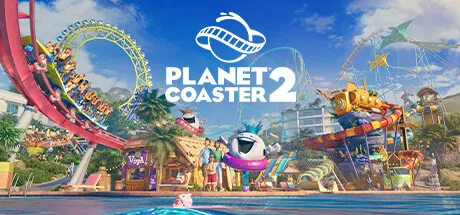 Image: Steam / Frontier Developments
Build zones around manageable areas, such as an entrance plaza, coaster cluster, or pool complex. Then inspect the attractions and shops within each zone to determine which jobs need coverage.
Assign Work Before Hiring More Employees
Open the staff schedule and filter by employee type, zone, or building. Check where existing employees are assigned before increasing payroll.
An employee looking for work deserves a closer inspection. Check their permitted tasks and assigned area alongside the facilities that need attention.
Use specific building assignments when you want tighter control over coverage. Use zone assignments when several nearby facilities can share a local team.
Stagger Breaks and Check Staff Buildings
Check pay, morale, scheduled breaks, and staff building access together. Employees need somewhere available to take their breaks, and a distant staff building adds walking to the trip.
Spread breaks across the schedule instead of sending a whole group away together. Watch staff building capacity as well as the work schedule; employees cannot use a full break facility.
For a shop that repeatedly closes during breaks, try assigning a second vendor and staggering their schedules. Apply that adjustment where coverage is failing, then review the payroll impact.
Give Mechanics Clear Responsibilities
Mechanics can work on rides, service infrastructure, or conduct research. Review those assignments when maintenance problems appear.
Keep servicing and repairs covered before assigning more mechanics to research. Research points do not address an attraction waiting for mechanical attention.
Turn Guest Complaints Into Specific Fixes
The guest screen combines mood, needs, demographics, and positive and negative thoughts. Read the negative thoughts as a list of problems to investigate.
A thirst complaint calls for an inspection of nearby drink service. Check whether a shop is accessible, open, and staffed before placing another one. A full-queue complaint calls for a look at attraction demand and alternatives. Guests seeking something fun to do need available attractions that suit their preferences.
Select individual guests to inspect how they and their groups are enjoying the park. Compare their preferences with ride Excitement, Fear, and Nausea ratings before choosing another attraction.
Add variety in both ride type and intensity. A park full of demanding thrill rides leaves fewer options for guests seeking gentler experiences.
The Satisfaction Guaranteed achievement requires 70% of guests to be in a positive mood at the end of a day, with at least 2,500 guests in the park. If you are pursuing it, monitor mood and attendance together and address recurring complaints before the day ends.
Advertising campaigns have requirements that must be met before you can run them. Check those requirements, then resolve existing service shortages before paying to attract additional guests.
Improve Park Rating Through Its Weakest Category
Park rating includes attraction prestige, scenery, unique attractions, and reputation. Inspect the category breakdown before spending toward another star.
- Attraction prestige: Inspect individual rides, including their experience, scenery bonus, and age-related reputation.
- Scenery: Use the scenery heat map to find areas with weak coverage or negative effects.
- Unique attractions: Add variety instead of repeating the same attraction.
- Reputation: Work through guest feedback and needs.
Give priority to the weakest category. Another copy of an existing ride does little to address a shortage of unique attractions.
Decorate Where the Ride Panel Shows a Need
Scenery contributes to ride prestige and affects guests' willingness to wait. Inspect the scenery rating around a ride before assuming its track or operating price needs changing.
Use scenery around queues and attractions with low ratings. Then revisit the ride panel and heat map to see how the change affected that area.
Inspect shops and utilities for negative scenery effects, too. Add themed surroundings or screening, then check the heat map again rather than assuming a wall has solved the problem.
Ride age also affects prestige, and older rides can eventually reach Classic status. Check an aging ride's current performance before replacing it. The Golden Oldies achievement requires five rides with Classic status in a single park.
Plan Water Parks Around Guest Care
Pools and flumes add management needs beyond those of a dry ride area. Plan the supporting facilities alongside the water attractions.
Before opening a pool complex, review:
- Water pumping, filtration, and required power.
- Lifeguards and their work assignments.
- Changing rooms and guest access.
- Shade and sunscreen provision.
- Pool pass purchasing through information shops.
- Nearby food, drinks, and restrooms.
Use a local staff zone to keep pool employees and their break facilities close to the water park.
Test water slides and flumes and resolve safety issues before opening them. Check each attraction's requirements alongside the pool it serves.
Build the complex in stages, checking guest needs and utility demand after each addition. If water park achievements are your goal, All the Slides requires 20 water slides or flumes open in one park, while Splashing Around requires 500 guests in pools simultaneously. Plan for those guest and attraction totals with supporting services in place.
Match Research and Career Spending to Your Objective
Career Mode introduces park management through scenario objectives and medals. Read the current objective before spending on a major project, especially when another ride type, rating improvement, or facility is required.
The base game contains 72 Career Medals across the Prologue and four chapters. Fully Loaded requires all 72, so inspect the remaining medal objectives when returning to a scenario.
Career research carries across scenarios rather than restarting in each park. Mechanics generate research points through their research work and workshops, and those points unlock items through Park Management's Research section.
Research categories include Coasters, Tracked Rides, Water, Power, Transport, Flat Rides, and Flumes. Spend toward a concrete need: an attraction required by an objective, an infrastructure option for an expansion, or a ride type missing from the park.
Check research assignments against maintenance demand before adding more research work. Keep the current park operating while you unlock the tools needed for its next objective.
Continue exploring
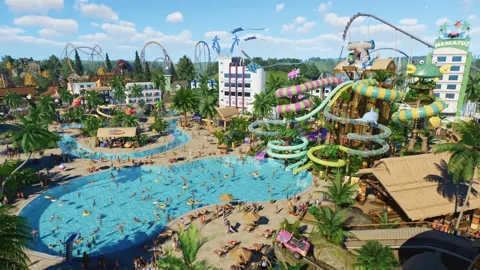
Planet Coaster 2 Paths: Build Plazas, Ramps, and More
Master Planet Coaster 2 paths with tips for plazas, queues, stairs, ramps, railings, and precise edits. Learn the tools and build connected park walkways.
Planet Coaster 2 Blueprints: Find, Place, and Share
Find Planet Coaster 2 blueprints, use share codes, fix missing downloads, and customize rides, pools, and scenery. Learn to save and share your own builds.
Join the community
Official channels for news, updates and player help: