Planet Coaster 2 How to Get More Guests: Park Fixes
Planet Coaster 2 how to get more guests: improve ride variety, address guest needs, adjust prices, and shorten walks to build a busier, happier theme park.
Jump to
How to Get More Guests Into Your Park
Empty paths after a big expansion are frustrating. The answer to “Planet Coaster 2 how to get more guests” starts with attraction variety, park rating, and fixing the needs that send visitors home early. Address those problems before spending your remaining cash on another major coaster.
Start with these checks:
- Review your park rating. Guest experience contributes to Park Reputation, which directly affects Park Rating.
- Broaden your attractions. Give guests a choice of coasters, flat rides, and water attractions with different intensity levels.
- Reduce early departures. Address exhaustion, uncomfortable weather conditions, and recurring complaints.
- Check your Sandbox guest limit. If attendance has reached your configured maximum, raise that setting before trying to accommodate a larger crowd.
Separate low attendance from uneven distribution, too. An empty section at the back of a busy park calls for a different fix than a park where guests are leaving unhappy.
Official page: Planet Coaster 2 (planetcoaster.com)
Find the Problem in Guest Thoughts and Heat Maps
Open Park Management and review overall guest sentiment, including Experience, Mood, and Thought Assessment scores. Check the Top Guest Thoughts for complaints that keep appearing across the park.
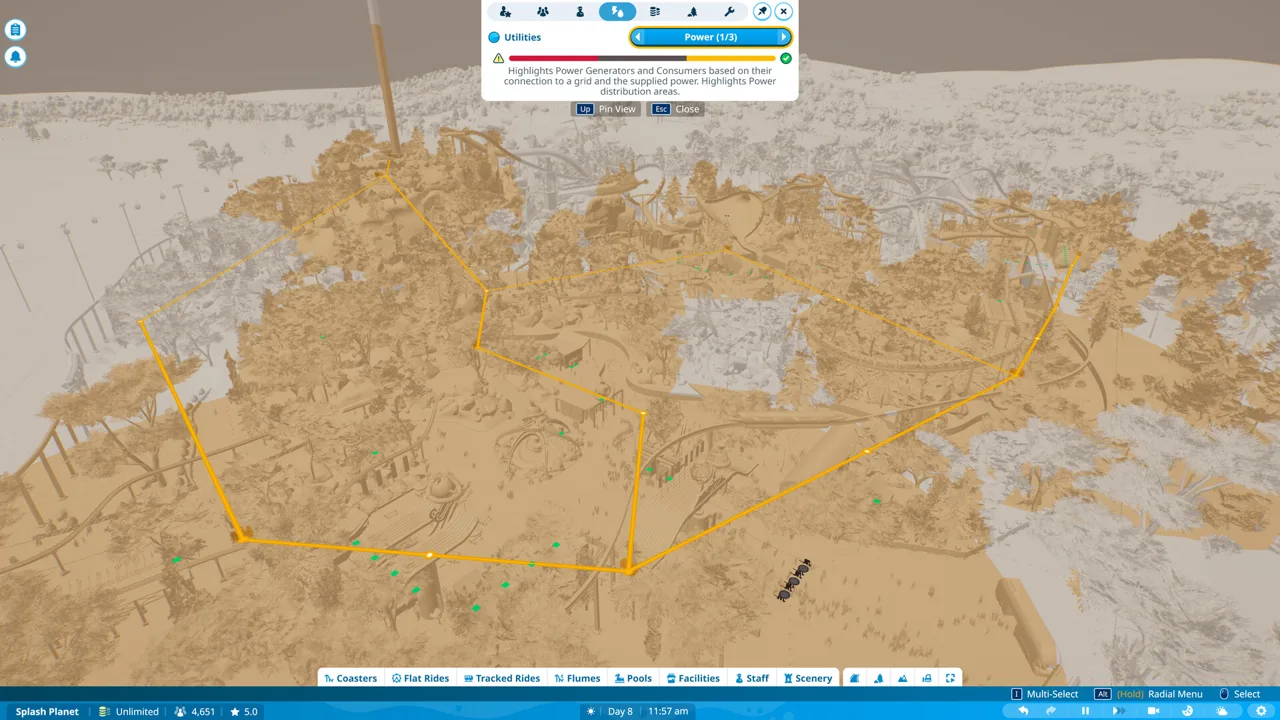 Image: Steam / Frontier Developments
Then select individual guests around the problem area. Their information panels show needs, current activities, preferences, and their five most recent thoughts.
Need indicators use three colors:
- Green: The need is fulfilled.
- Yellow: It will need attention soon.
- Red: It requires urgent attention.
Use heat maps to locate clusters of hungry, thirsty, or exhausted visitors. Place facilities where those problems occur.
For example, if guests near a distant coaster are thirsty, add an accessible drink option nearby. Another vendor beside the entrance does little to shorten their trip for refreshments.
Check the age demographic split as well. A park attracting adults, teens, and children needs attractions and services that accommodate those different groups.
Add Ride Variety and Check Ride Tolerances
Guest Entertainment depends on having appealing things to do. Expand your lineup with different ride types rather than repeatedly building the same kind of attraction.
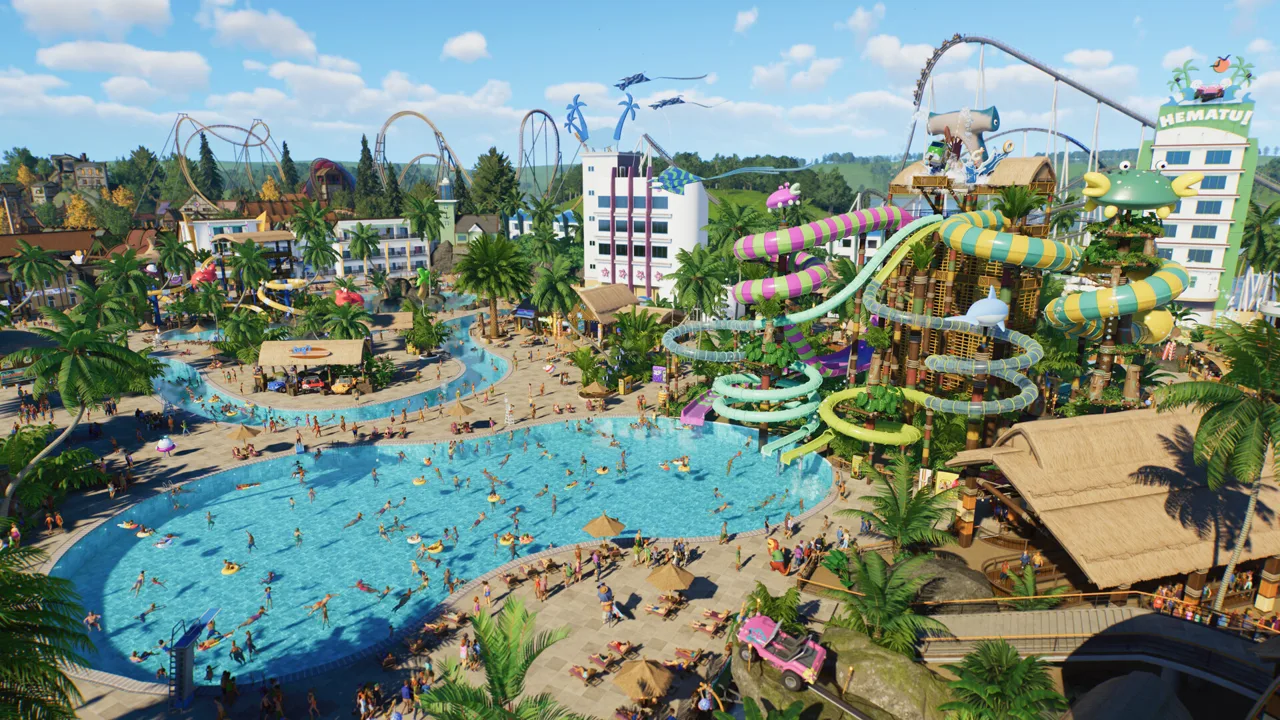 Image: Steam / Frontier Developments
Before choosing your next ride, inspect guest preferences and group tolerances. Families with children can have lower tolerance for long queues and high prices, while individual guests also have different ride preferences.
Use that information to guide construction:
- Add gentler attractions alongside intense coasters.
- Include flat rides and flumes to broaden the entertainment choices.
- Test coasters and inspect their Excitement, Fear, and Nausea ratings.
- Adjust rides that exceed the tolerances of the guests you want to serve.
Excessive g-forces and inversions affect nausea. Guests already struggling with nausea become less interested in highly nauseating rides, so give them other activities between intense attractions.
Before opening a new area, check its paths and required power or water infrastructure. Make sure guests can actually reach and use what you built.
Shorten Walks and Keep Queues Manageable
Energy drops throughout a guest’s visit. Long walks and large queues make guests tire faster, and low energy makes them more likely to head home.
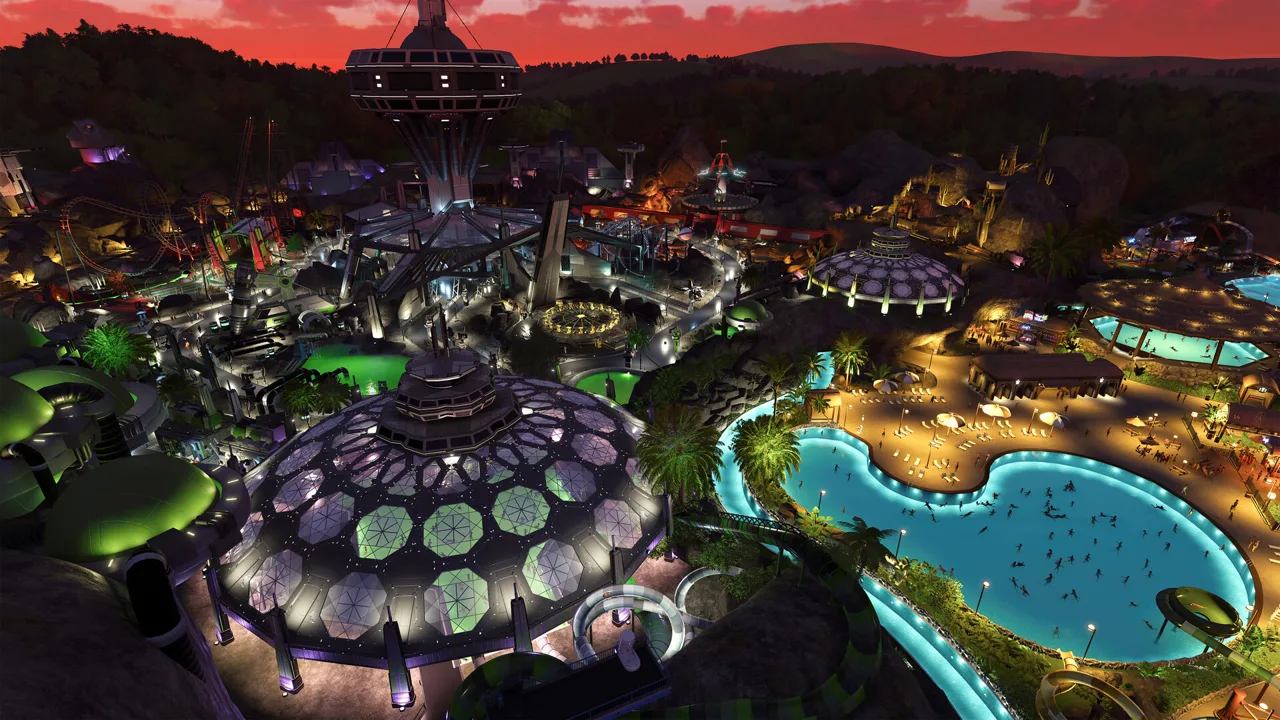 Image: Steam / Frontier Developments
Place benches along busy routes and near areas where the energy heat map shows trouble. Drinks such as coffee can also replenish energy, but keep other drink choices available for guests who avoid caffeine.
For sprawling parks, build transport rides to reduce walking between distant areas. Connect transport stations to guest paths so visitors can reach them and still have walking routes available.
Inspect queue behavior before extending a queue line. A longer queue provides more waiting space, but guests still spend that time losing energy and developing other needs.
For coasters running multiple trains, review block sections and dispatch timing. Watch for trains repeatedly stopping behind one another, then adjust operations to reduce unnecessary stacking. Use timings suited to that coaster’s circuit rather than copying a fixed interval.
Put Food, Drinks, and Bathrooms Where Guests Need Them
Keeping visitors inside takes more than entertainment. Hunger, thirst, and bathroom needs continue developing while guests walk, wait, and ride.
Spread essential facilities throughout occupied areas:
- Food vendors: Offer choices that accommodate different dietary requirements.
- Drink vendors: Include options for guests with different ingredient preferences.
- Vending machines: Use them to add convenient food or drink access around existing attractions.
- Bathrooms: Place them in busy areas and near places where guests buy drinks.
Watch service areas after attendance grows. Hire enough vendors to cover breaks, and make sure busy sections remain served.
Place bins near food and drink outlets and along surrounding paths. Guests carry litter for a while, but eventually drop it if they do not pass a bin. Use cleanliness heat maps to find trouble spots and direct janitors toward them.
Protect Guests From Weather and Waterpark Problems
Weather can undo an otherwise enjoyable visit. Cold or wet guests become uncomfortable and can decide to leave.
Match your facilities to the conditions:
- Cold weather: Add heaters around queues and other busy areas, plus hot food and drinks.
- Rain: Provide shelters, umbrellas, and Body Dryers.
- Strong sun: Shelter exposed routes and queues, and provide Guest Services shops selling sunscreen.
- Hot weather: Pay extra attention to drink access because thirst develops faster.
Sunscreen requires repeat purchases and application, so keep it accessible throughout the visit.
Waterpark areas also need changing rooms and lifeguards. Lifeguards help guests struggling in pools, supporting their Panic need. Include those facilities when planning a pool complex instead of using the entire budget on slides and decoration.
Adjust Prices Around Guest Feedback
Each guest has a price tolerance and a set of activities they can afford. Set admission, attraction, and vendor prices with those limits in mind.
Read financial feedback before making broad price changes. If complaints focus on a particular ride or vendor, adjust that price and watch whether the feedback improves. Keep operating costs visible while you make changes so extra attendance remains financially useful.
Pay attention to group preferences here, too. Families with children can be less tolerant of higher prices, so inspect who is visiting before pricing every attraction at the same level.
After changing prices, check guest thoughts again. Use their reactions to decide whether the next adjustment belongs at the entrance, a ride, or a shop.
Continue with
 Planet Coaster 2 Janitors Not Cleaning Restaurants: TipsPlanet Coaster 2 janitors not cleaning restaurants? Check staff zones, work schedules, and cleaning tasks before adding more staff to your busy food areas.
More in Management
Planet Coaster 2 Add Staff To Zone: Assignment Guide
Planet Coaster 2 add staff to zone explained: assign staff through their schedules, choose job duties, and arrange local breaks to keep your park running.
Planet Coaster 2 Constant Maintenance: Fix Ride Upkeep
Tackle Planet Coaster 2 constant maintenance problems with mechanic schedules, smaller staff zones, service badges, and refurbishments to cut downtime.
Planet Coaster 2 Guests Stuck on Path: How to Fix It
Planet Coaster 2 guests stuck on path? Repair broken connections, move trapped groups, and ease crowded walkways with practical path-building fixes to try.
Planet Coaster 2 Management Guide: Build for Profit
Use this Planet Coaster 2 management guide to organize staff, fix power problems, improve guest happiness, and grow a profitable theme park. Build smart.
Continue exploring
Planet Coaster 2 Paths: Build Plazas, Ramps, and More
Master Planet Coaster 2 paths with tips for plazas, queues, stairs, ramps, railings, and precise edits. Learn the tools and build connected park walkways.
Planet Coaster 2 Toybox Pack: Rides, Price & Scenery
Explore the Planet Coaster 2 toybox pack, including five rides, toy-themed scenery, its $12.99 price, and what comes with the free Update 8 for builders.
Join the community
Official channels for news, updates and player help: